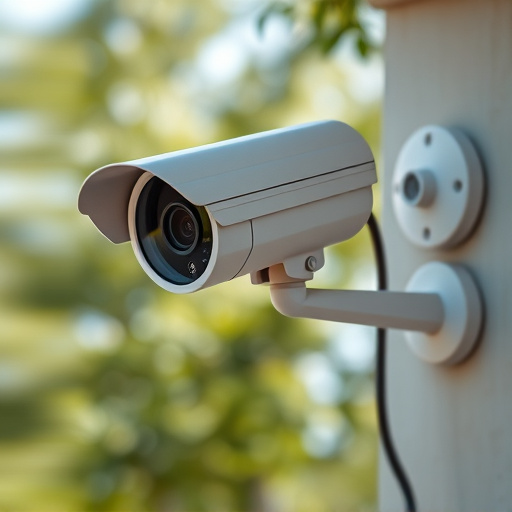
Fake CCTV cameras deter crime by leveraging psychological effects, tricking offenders into believing they're under constant surveillance. This reduces criminal activity in public spaces, fostering integrity and respect for the law. Effective deterrent strategies involve realistic camera housing that blends with surroundings, maximizing visual disruption and creating an illusion of heightened security.
“Uncover the surprising power of fake security cameras in crime prevention—a strategy that goes beyond mere electronics. This article explores how these decoys manipulate criminal behavior through psychological deterrence. We delve into the art of selecting the ideal housing to maximize their visual impact, ensuring they disrupt potential offenders effectively.
By understanding the role of fake CCTV cameras and choosing the right housing, communities can enhance their security without relying solely on technological advancements.”
- Understanding Fake CCTV Camera's Role in Crime Prevention
- The Psychology Behind Their Deterrent Effectiveness
- Choosing the Right Housing for Optimal Visual Disruption
Understanding Fake CCTV Camera's Role in Crime Prevention
While it might seem counterintuitive, fake security cameras play a significant role in crime prevention. These decoys are designed to look like real CCTV cameras but contain no electronics or recording capabilities. Their primary purpose is to deter potential criminals by creating the perception of enhanced surveillance. The deterrent effect is powerful because many offenders are risk-averse and will avoid areas they believe are under strict surveillance, even if the cameras are not functional.
The effectiveness of fake CCTV cameras lies in their ability to manipulate the criminal mind. Criminals often target locations where they perceive low risk or limited consequences. By strategically placing these decoy cameras, property owners and businesses can send a clear message that any attempt at illegal activity will be met with potential scrutiny, thereby discouraging crime before it occurs. This psychological impact is crucial in creating safer environments.
The Psychology Behind Their Deterrent Effectiveness
The presence of security cameras is often a powerful deterrent, even when they are fake. This psychological effect stems from the sense of surveillance and accountability they instill. Humans have an inherent tendency to conform to social norms and expectations, known as the ‘bystander effect’, which suggests that people are more likely to avoid risky behaviors when they believe others are watching.
A fake CCTV camera can trigger this instinct, making individuals less likely to engage in criminal activity or unethical behavior. The visual reminder of potential observation changes behaviors, encouraging folks to act with integrity and respect for the law. This phenomenon is particularly effective in public spaces where the visible presence of surveillance can deter various types of crimes, from petty theft to more serious offenses.
Choosing the Right Housing for Optimal Visual Disruption
When considering security camera housing, one of the key aspects to focus on is its visual disruption capabilities. The primary goal of a security system is to deter potential criminals, and a well-chosen housing can significantly enhance this deterrent effect. Opting for realistic fake CCTV cameras as a housing alternative is a strategic move. These mimic real surveillance equipment, tricking intruders into believing they’re under constant observation, thereby reducing the likelihood of malicious activity.
The effectiveness of fake CCTV cameras lies in their ability to blend seamlessly into the environment without drawing attention. When strategically placed, these devices can create an illusion of enhanced security, acting as a powerful psychological deterrent. By choosing housing that aligns with the overall aesthetic and avoids any hints of advanced technology, you ensure optimal visual disruption, making your property safer and potentially deterring would-be criminals.
A fake CCTV camera, while lacking internal electronics, serves as a powerful visual deterrent against potential criminals. By strategically placing these realistic replicas in visible areas, property owners can significantly enhance security without investing in complex technology. The psychological impact of believing you’re being watched is a proven crime prevention method, making the right housing choice essential for optimal disruption and increased safety. When selecting a housing solution, prioritize natural materials and seamless design to ensure maximum realism and deterrence.